

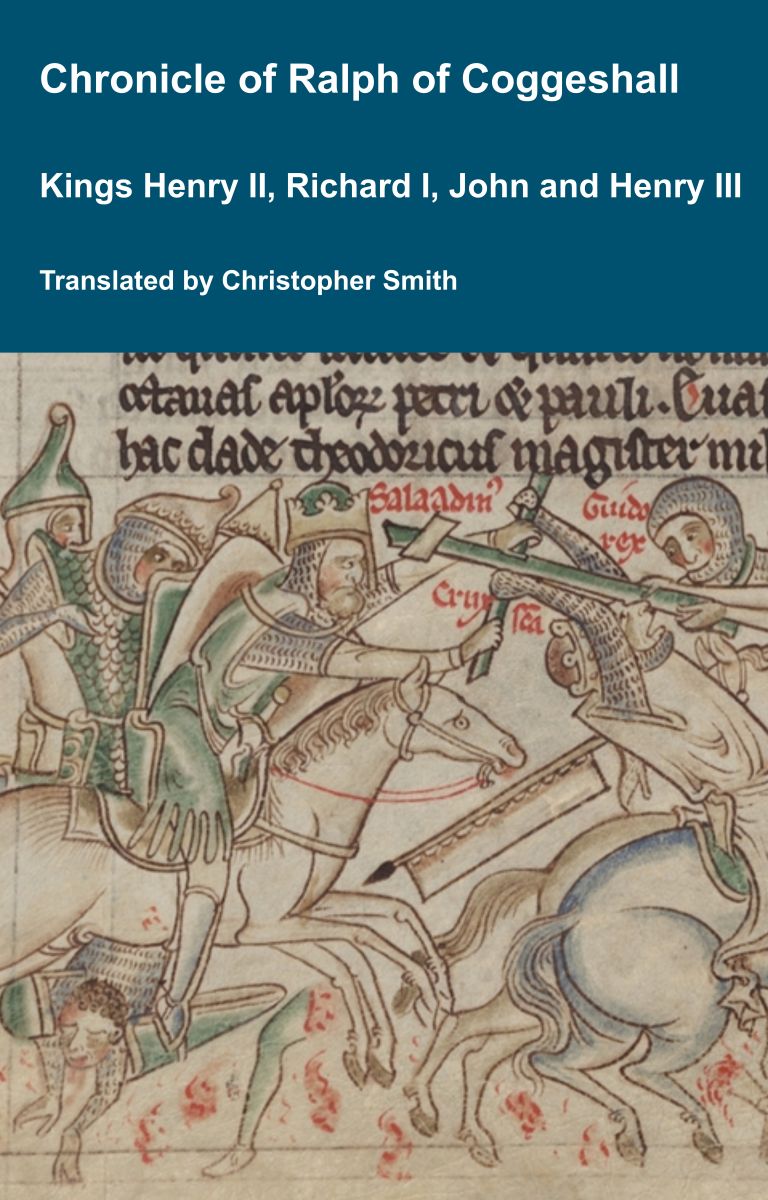
Chronicle of Abbot Ralph of Coggeshall
The Chronicle of Abbot Ralph of Coggeshall (Chronicon Anglicanum) is an indispensable medieval history that brings to life centuries of English and European affairs through the eyes of a learned Cistercian monk. Ralph of Coggeshall, abbot of the Abbey of Coggeshall in Essex in the early 13th century, continued and expanded his community’s chronicle, documenting events from the Norman Conquest of 1066 into the tumultuous reign of King Henry III. Blending eyewitness testimony, careful compilation, and the monastic commitment to record-keeping, this chronicle offers a rare narrative of political intrigue, royal power struggles, and social upheaval in England and beyond. Ralph’s work captures the reigns of pivotal figures such as Richard I and King John, providing invaluable insights into their characters, decisions, and the forces that shaped medieval rule. More than a simple annal, Chronicon Anglicanum conveys the texture of medieval life and governance, making it a rich source for scholars and readers fascinated by English history, monastic authorship, and the shaping of the medieval world.
Available at Amazon in eBook and Paperback format.
Athenaeus The Deipnosophists is in Greek Books.
How many festive parties frequent rang
With the fond love of Lesbian Alcæus,
Who sang the praises of the amorous Sappho,
And grieved his Teian1 rival, breathing songs
Such as the nightingale would gladly imitate;
For the divine Anacreon also sought
To win the heart of the sacred poetess,
Chief ornament of all the Lesbian bands;
And so he roved about, now leaving Samos,
Now parting from his own enslaved land,
Parent of vines, to wine-producing Lesbos;
And often he beheld Cape Lectum there,
Across th' Aeolian wave. But greatest of all,
The Attic bee2 oft left its rugged hill,
Singing in tragic choruses divine,
Bacchus and Love
Note 1. Anacreon.
Note 2. Sophocles.