

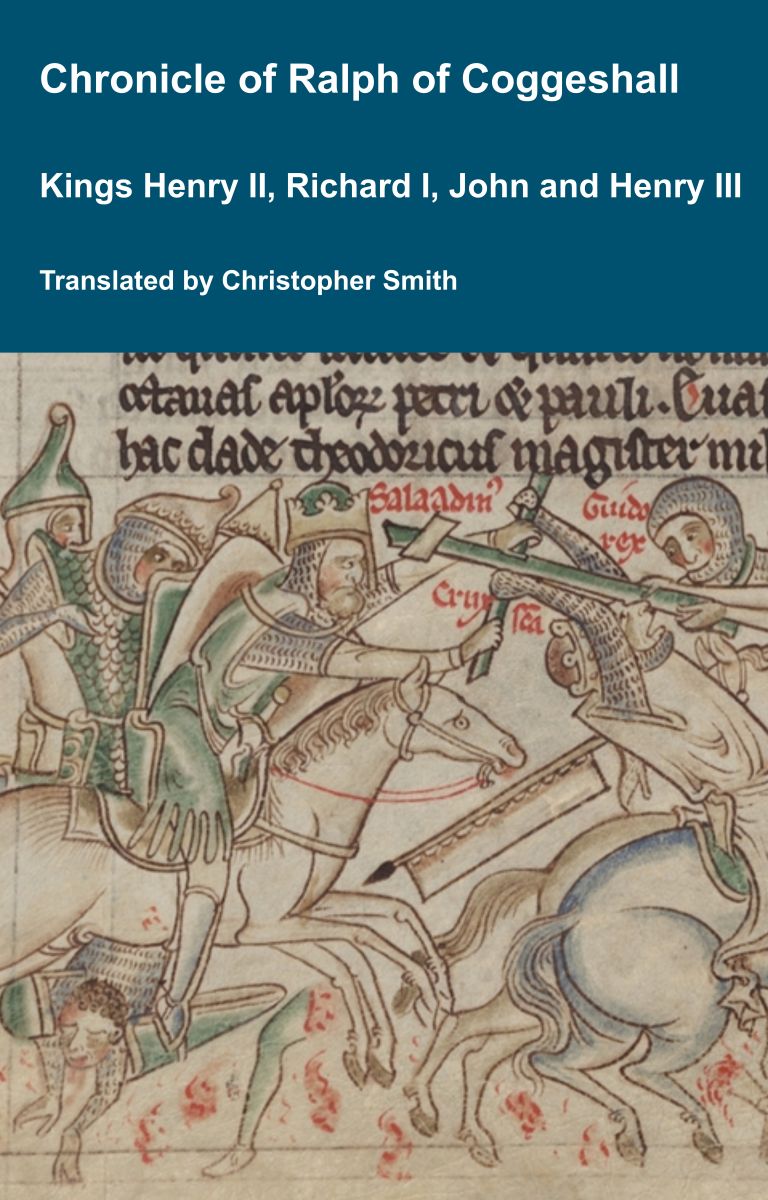
Chronicle of Abbot Ralph of Coggeshall
The Chronicle of Abbot Ralph of Coggeshall (Chronicon Anglicanum) is an indispensable medieval history that brings to life centuries of English and European affairs through the eyes of a learned Cistercian monk. Ralph of Coggeshall, abbot of the Abbey of Coggeshall in Essex in the early 13th century, continued and expanded his community’s chronicle, documenting events from the Norman Conquest of 1066 into the tumultuous reign of King Henry III. Blending eyewitness testimony, careful compilation, and the monastic commitment to record-keeping, this chronicle offers a rare narrative of political intrigue, royal power struggles, and social upheaval in England and beyond. Ralph’s work captures the reigns of pivotal figures such as Richard I and King John, providing invaluable insights into their characters, decisions, and the forces that shaped medieval rule. More than a simple annal, Chronicon Anglicanum conveys the texture of medieval life and governance, making it a rich source for scholars and readers fascinated by English history, monastic authorship, and the shaping of the medieval world.
Available at Amazon in eBook and Paperback format.
Thomas Girtin is in Painters.
On 18th February 1775 Thomas Girtin was born.
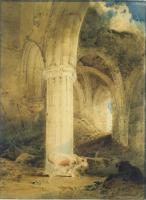
Around 1794. Thomas Girtin [aged 18]. Tintern Abbey [Map], Monmouthshire.
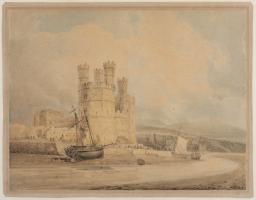
1795-1802. Thomas Girtin [aged 19]. Caernarfon Castle [Map].

1797. Thomas Girtin [aged 21]. Lindisfarne Abbey [Map].
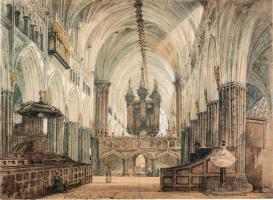
1797. Thomas Girtin [aged 21]. Exeter Cathedral [Map].
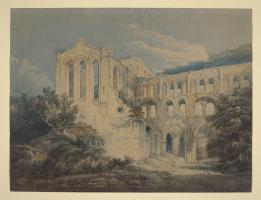
1798. Thomas Girtin [aged 22]. Rievaulx Abbey, Yorkshire [Map].

1798. Thomas Girtin [aged 22]. Lindisfarne Abbey [Map].
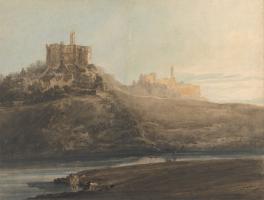
1798. Thomas Girtin [aged 22]. Warkworth Castle, Northumberland [Map].
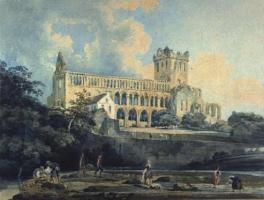
1798 to 1799. Thomas Girtin [aged 22]. Jedburgh Abbey.

Around 1798. Thomas Girtin [aged 22]. Bamburgh Castle, Northumberland [Map].
The Deeds of the Dukes of Normandy
The Gesta Normannorum Ducum [The Deeds of the Dukes of Normandy] is a landmark medieval chronicle tracing the rise and fall of the Norman dynasty from its early roots through the pivotal events surrounding the Norman Conquest of England. Originally penned in Latin by the monk William of Jumièges shortly before 1060 and later expanded at the behest of William the Conqueror, the work chronicles the deeds, politics, battles, and leadership of the Norman dukes, especially William’s own claim to the English throne. The narrative combines earlier historical sources with firsthand information and oral testimony to present an authoritative account of Normandy’s transformation from a Viking settlement into one of medieval Europe’s most powerful realms. William’s history emphasizes the legitimacy, military prowess, and governance of the Norman line, framing their expansion, including the conquest of England, as both divinely sanctioned and noble in purpose. Later chroniclers such as Orderic Vitalis and Robert of Torigni continued the history, extending the coverage into the 12th century, providing broader context on ducal rule and its impact. Today this classic work remains a foundational source for understanding Norman identity, medieval statesmanship, and the historical forces that reshaped England and Western Europe between 800AD and 1100AD.
Available at Amazon in eBook and Paperback format.
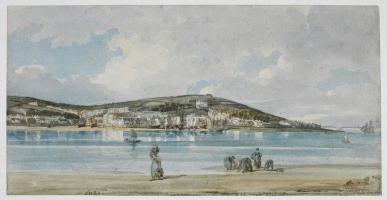
Around 1798. Thomas Girtin [aged 22]. Appledore, North Devon.
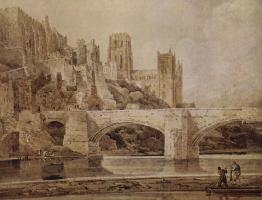
1799. Thomas Girtin [aged 23]. Durham Cathedral [Map] and Framwellgate Bridge, Durham [Map].
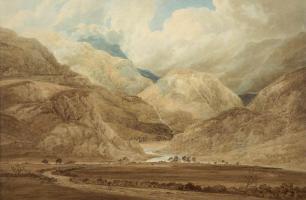
1799. Thomas Girtin [aged 23]. Near Beddgelert also known as "A Grand View of Snowdon".
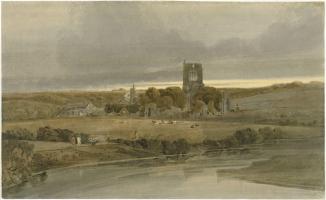
1800-1801. Thomas Girtin [aged 24]. Kirkstall Abbey, West Yorkshire [Map].
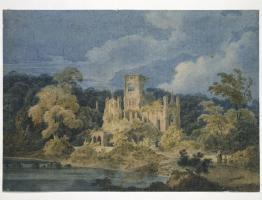
Around 1800. Thomas Girtin [aged 24]. Kirkstall Abbey, West Yorkshire [Map].
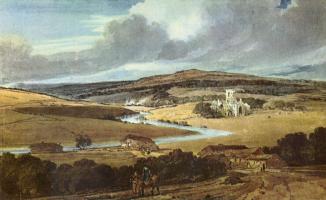
1801. Thomas Girtin [aged 25]. Kirkstall Abbey, West Yorkshire [Map].
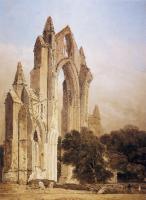
1801. Thomas Girtin [aged 25]. Guisborough Priory [Map].
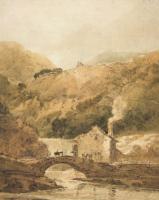
Before 1802. Thomas Girtin [aged 26]. A Bridge in a Wooded Valley
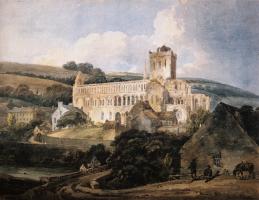
Before 1802. Thomas Girtin [aged 26]. Jedburgh Abbey.
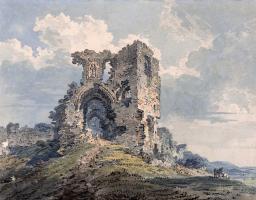
Before 9th November 1802. Thomas Girtin [aged 27]. Great Gatehouse [Map] of Denbigh Castle.
Abbot John Whethamstede’s Chronicle of the Abbey of St Albans
Abbot John Whethamstede's Register aka Chronicle of his second term at the Abbey of St Albans, 1451-1461, is a remarkable text that describes his first-hand experience of the beginning of the Wars of the Roses including the First and Second Battles of St Albans, 1455 and 1461, respectively, their cause, and their consequences, not least on the Abbey itself. His text also includes Loveday, Blore Heath, Northampton, the Act of Accord, Wakefield, and Towton, and ends with the Coronation of King Edward IV. In addition to the events of the Wars of the Roses, Abbot John, or his scribes who wrote the Chronicle, include details in the life of the Abbey such as charters, letters, land exchanges, visits by legates, and disputes, which provide a rich insight into the day-to-day life of the Abbey, and the challenges faced by its Abbot.
Available at Amazon in eBook and Paperback format.
On 9th November 1802 Thomas Girtin [aged 27] died.
1803. Thomas Girtin. Ruins of Rievaulx Abbey, Yorkshire [Map].
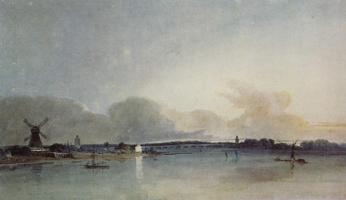
1808. Thomas Girtin. The White House at Chelsea.