

Abbot John Whethamstede’s Chronicle of the Abbey of St Albans
Abbot John Whethamstede's Register aka Chronicle of his second term at the Abbey of St Albans, 1451-1461, is a remarkable text that describes his first-hand experience of the beginning of the Wars of the Roses including the First and Second Battles of St Albans, 1455 and 1461, respectively, their cause, and their consequences, not least on the Abbey itself. His text also includes Loveday, Blore Heath, Northampton, the Act of Accord, Wakefield, and Towton, and ends with the Coronation of King Edward IV. In addition to the events of the Wars of the Roses, Abbot John, or his scribes who wrote the Chronicle, include details in the life of the Abbey such as charters, letters, land exchanges, visits by legates, and disputes, which provide a rich insight into the day-to-day life of the Abbey, and the challenges faced by its Abbot.
Available at Amazon in eBook and Paperback format.
Church of St Giles, Marston Montgomery is in Marston Montgomery, Derbyshire, Churches in Derbyshire.
Church of St Giles, Marston Montgomery [Map].
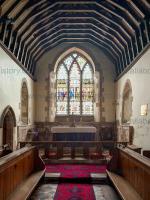
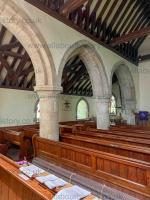
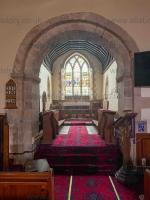
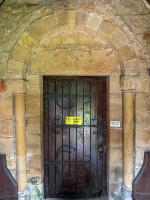
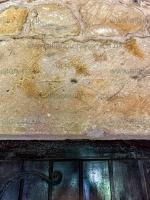
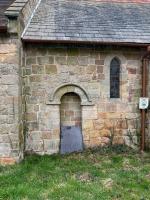
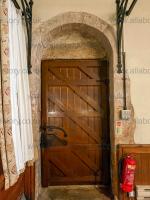
Church of St Giles, Marston Montgomery [Map]. Norman doorways, possibly later.
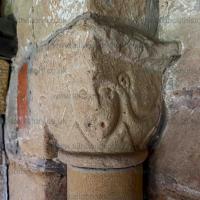
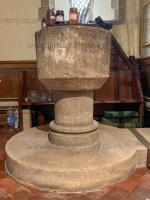
Font at Church of St Giles, Marston Montgomery [Map]. 12th Century.
Church of St Giles, Marston Montgomery [Map]. 12th Century with 13th and 18th Century alterations. Restored and extended 1875 by Henry St Aubyn.
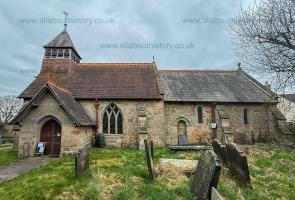
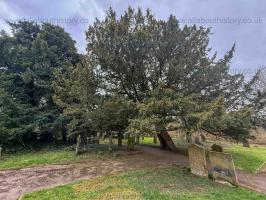
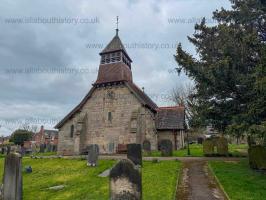
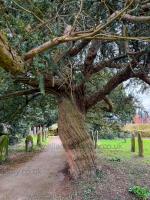
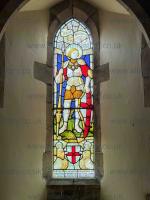
Church of St Giles, Marston Montgomery [Map]. In memory of George and Francis Prince of Marston Park aged 84 and 85 years. Dedicated by their children February 1904.
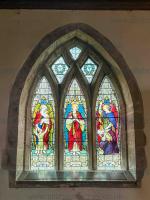
Church of St Giles, Marston Montgomery [Map]. Window by Arthur Louis Moore (age 64) in memory of Lydia Anne Webb of Clowneholme, Marston Montgomery [Map] who died 11th March 1913.
Arthur Louis Moore: In 1849 he was born in Brixton, London, one of nine children of a Clerkenwell clockmaker On 24th March 1939 he died in St Albans, Hertfordshire [Map].
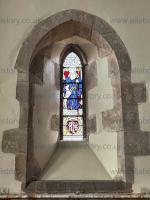
Church of St Giles, Marston Montgomery [Map]. Window given by George Price of Dove House, Marston Montgomery [Map].
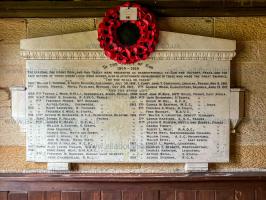
Church of St Giles, Marston Montgomery [Map]. War Memorial.
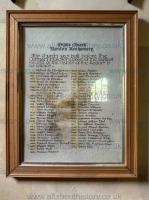
Church of St Giles, Marston Montgomery [Map]. Record of the names of the Rectors.