

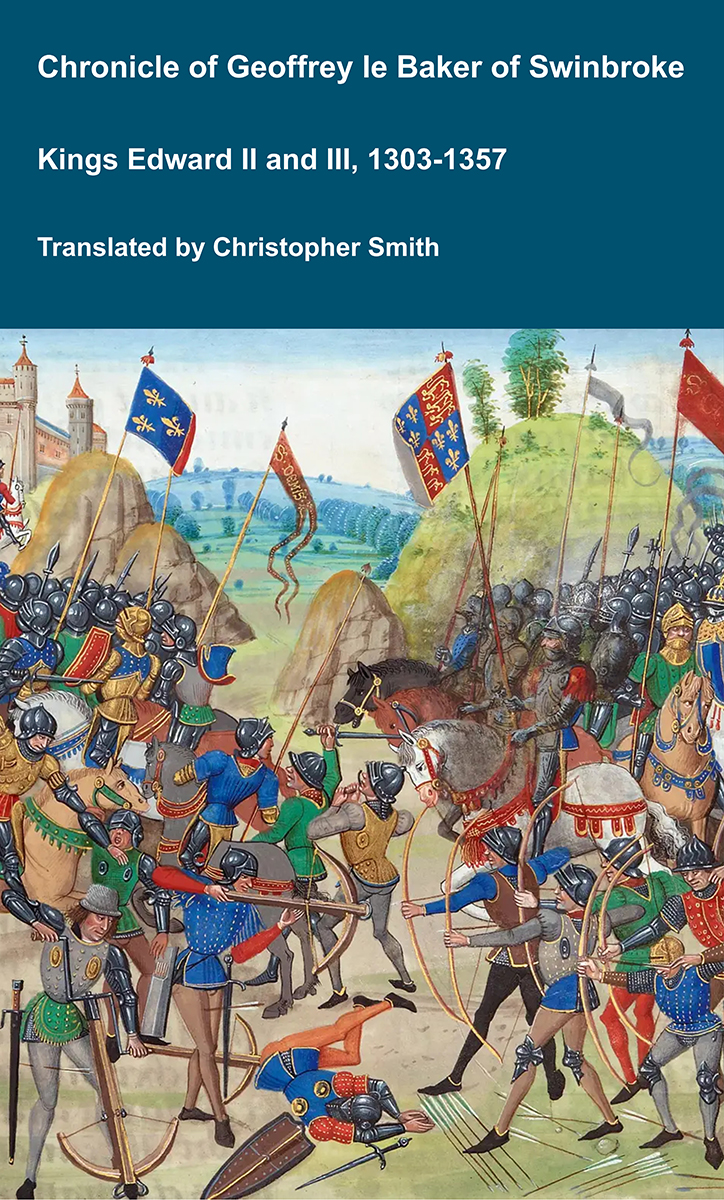
Chronicle of Geoffrey le Baker of Swinbroke
Baker was a secular clerk from Swinbroke, now Swinbrook, an Oxfordshire village two miles east of Burford. His Chronicle describes the events of the period 1303-1356: Gaveston, Bannockburn, Boroughbridge, the murder of King Edward II, the Scottish Wars, Sluys, Crécy, the Black Death, Winchelsea and Poitiers. To quote Herbert Bruce 'it possesses a vigorous and characteristic style, and its value for particular events between 1303 and 1356 has been recognised by its editor and by subsequent writers'. The book provides remarkable detail about the events it describes. Baker's text has been augmented with hundreds of notes, including extracts from other contemporary chronicles, such as the Annales Londonienses, Annales Paulini, Murimuth, Lanercost, Avesbury, Guisborough and Froissart to enrich the reader's understanding. The translation takes as its source the 'Chronicon Galfridi le Baker de Swynebroke' published in 1889, edited by Edward Maunde Thompson.
Available at Amazon in eBook and Paperback format.
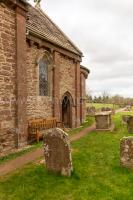
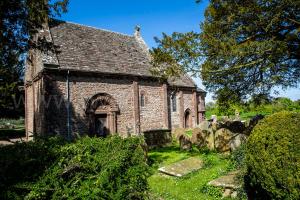
Church of St Mary and St David, Kilpeck is in Kilpeck, Herefordshire, Churches in Herefordshire.
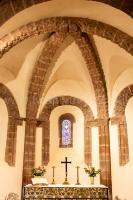
Church of St Mary and St David, Kilpeck [Map]. Chancel.
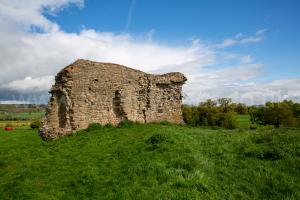
Kilpeck Castle adjcent to the Church of St Mary and St David, Kilpeck [Map].
Church of St Mary and St David, Kilpeck [Map]. Internal arch.
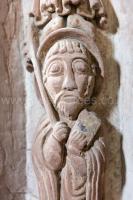
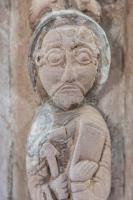
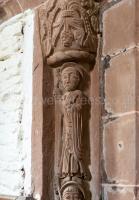
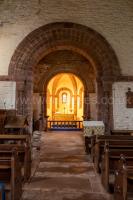
Church of St Mary and St David, Kilpeck [Map]. Corbelling.
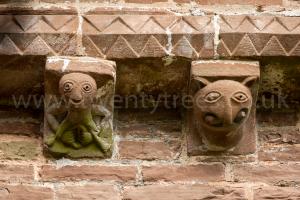
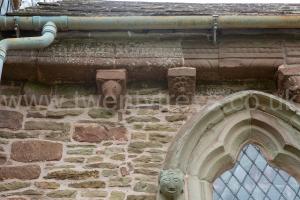
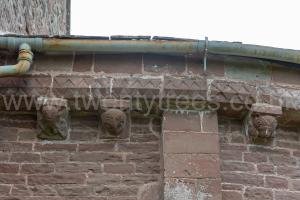
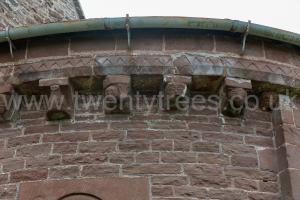
Church of St Mary and St David, Kilpeck [Map]. Detail of the carvings on the columns of the north door.
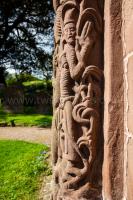
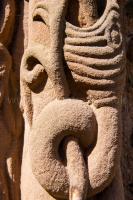
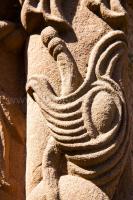
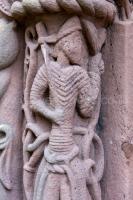
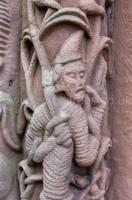
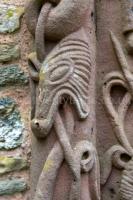
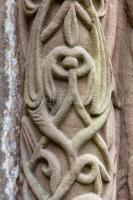
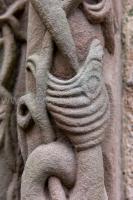
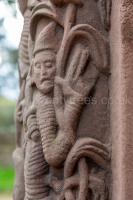
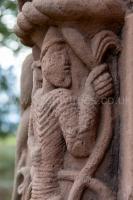
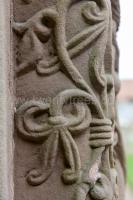
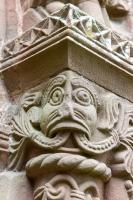
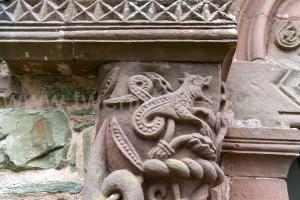
Church of St Mary and St David, Kilpeck [Map]. South door with tympanum. Fine example of the Herefordshire School of Carving.
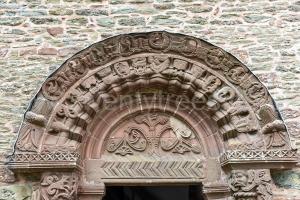
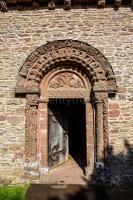
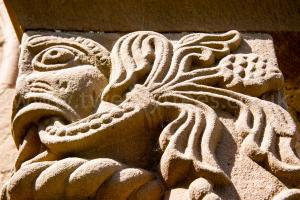
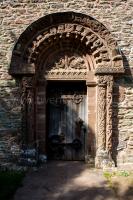
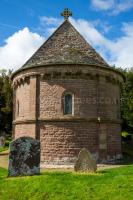
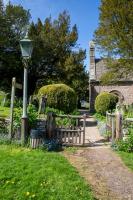
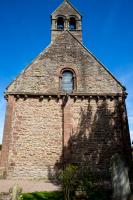
The Church of St Mary and St David, Kilpeck [Map] was built around 1140, and almost certainly before 1143 when it was given to the Abbey of Gloucester. It may have replaced an earlier Saxon church at the same site, and the oval raised form of the churchyard is typical of even older Celtic foundations.
Archaeologia Volume 30 Section 5. 14th April 1842. A Letter from Joun Gage Rokewode, Esq. F.R.S., Director, to Sir Henry Ellis, K.H., F.RS., Secretary, on the sculptured Figures of Welsh Knights at Kilpeck Church in Herefordshire [Map].
Read 14th April, 1842.
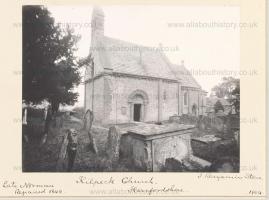
1904. John Benjamin Stone [aged 65]. Photograph of the Church of St Mary and St David, Kilpeck [Map].