Chronicle of Abbot Ralph of Coggeshall
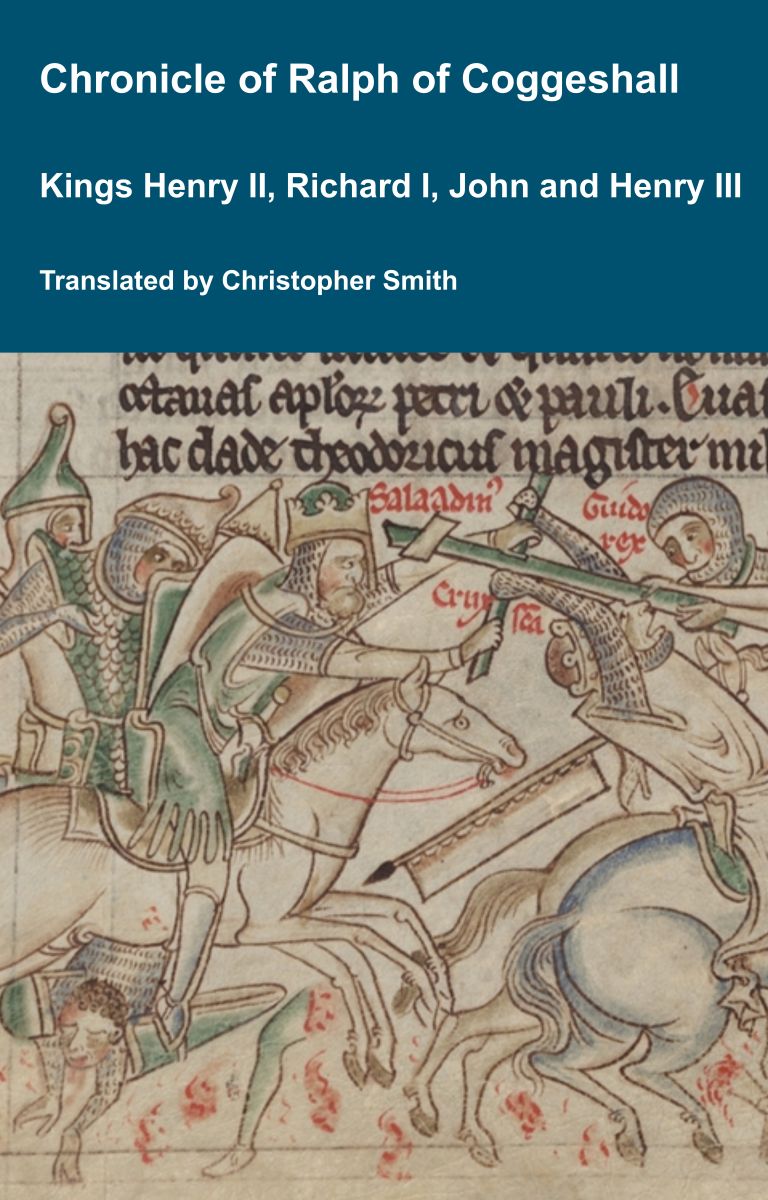
The Chronicle of Abbot Ralph of Coggeshall (Chronicon Anglicanum) is an indispensable medieval history that brings to life centuries of English and European affairs through the eyes of a learned Cistercian monk. Ralph of Coggeshall, abbot of the Abbey of Coggeshall in Essex in the early 13th century, continued and expanded his community’s chronicle, documenting events from the Norman Conquest of 1066 into the tumultuous reign of King Henry III. Blending eyewitness testimony, careful compilation, and the monastic commitment to record-keeping, this chronicle offers a rare narrative of political intrigue, royal power struggles, and social upheaval in England and beyond. Ralph’s work captures the reigns of pivotal figures such as Richard I and King John, providing invaluable insights into their characters, decisions, and the forces that shaped medieval rule. More than a simple annal, Chronicon Anglicanum conveys the texture of medieval life and governance, making it a rich source for scholars and readers fascinated by English history, monastic authorship, and the shaping of the medieval world.
Available at Amazon in eBook and Paperback format.
Leigh, Worcestershire is in Worcestershire.
The River Teme rises around three miles south of Dolfor [Map] in Powys. For much of its upper course it forms the border between England and Wales. It passes through, or near, Felindre, Radnoshire [Map], Knighton, Radnorshire [Map], Leintwardine, Herefordshire [Map], Bromfield, Shropshire [Map], Ludlow, Shropshire [Map], Tenbury Wells, Worcestershire [Map], Stanford Bridge, Worcestershire [Map], Shelsey Beauchamp, Worcestershire [Map], Leigh, Worcestershire [Map] and Bransford, Worcestershire [Map] after which it joins the River Severn around 3 km south of Worcester, Worcestershire [Map].
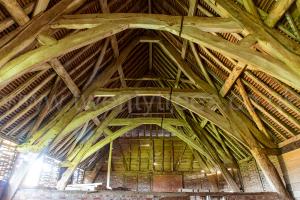
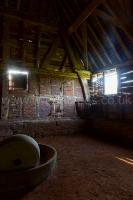
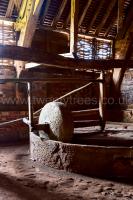
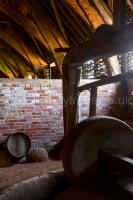
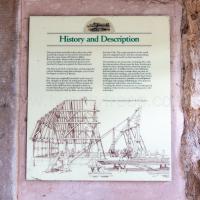
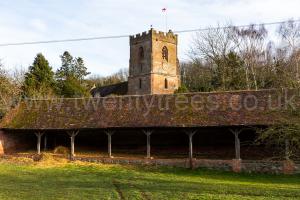
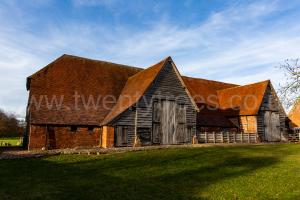
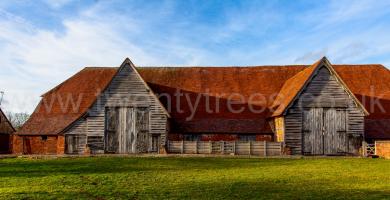
Leigh Court Barn [Map] is a Cruck Framed Barn constructed around 1325 to store produce for Pershore Abbey [Map]. It is the largest and one of the oldest cruck barns in Britain, measuring over 43 metres long, 11 metres wide and 9 metres, supported by nine pairs of massive oak beams. Each cruck is made from a single oak tree rather than each pair being made from an oak sawn down the middle. It is the largest cruck-frame building in England. Each cruck is made from a single oak tree rather than each pair being made from an oak sawn down the middle. It is the largest cruck-frame building in England.It is managed by English Heritage. The barn is open Thursday to Sunday, 10am-6pm from April to October, and 10am-4pm from November to March. There is a small parking place outside of the next door church. Access is through the little door on the right next to the little gate that says "Private".