

Chronicle of Abbot Ralph of Coggeshall
The Chronicle of Abbot Ralph of Coggeshall (Chronicon Anglicanum) is an indispensable medieval history that brings to life centuries of English and European affairs through the eyes of a learned Cistercian monk. Ralph of Coggeshall, abbot of the Abbey of Coggeshall in Essex in the early 13th century, continued and expanded his community’s chronicle, documenting events from the Norman Conquest of 1066 into the tumultuous reign of King Henry III. Blending eyewitness testimony, careful compilation, and the monastic commitment to record-keeping, this chronicle offers a rare narrative of political intrigue, royal power struggles, and social upheaval in England and beyond. Ralph’s work captures the reigns of pivotal figures such as Richard I and King John, providing invaluable insights into their characters, decisions, and the forces that shaped medieval rule. More than a simple annal, Chronicon Anglicanum conveys the texture of medieval life and governance, making it a rich source for scholars and readers fascinated by English history, monastic authorship, and the shaping of the medieval world.
Available at Amazon in eBook and Paperback format.
Oldham War Memorial is in Oldham, Lancashire.
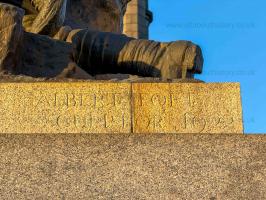
Oldham War Memorial was unveiled by General Sir Ian Hamilton on 28th April 1923, before a crowd estimated at over 10,000, and dedicated by the Bishop of Manchester, William Temple. It was sculpted by Albert Toft [aged 60] in 1922. The memorial comprises a bronze group sculpture of five life-size soldiers in full battle dress and carrying their weapons, mounted on top of a 3-metre granite plinth. The sculpture originally faced the church but was subsequently rotated 180 degrees to face towards the town hall rather than the church.
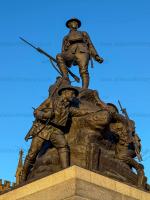
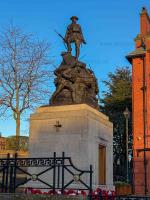
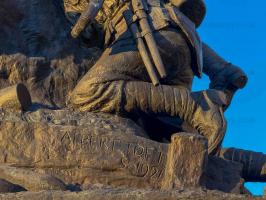
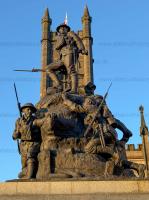
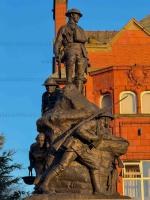
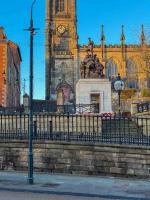
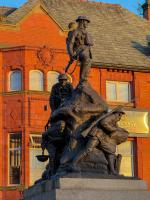
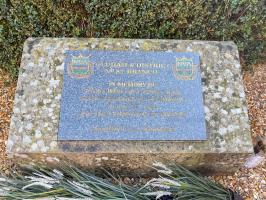
Oldham War Memorial has a number of plaques sorrounding commemorating various regiments and events including the M62 Coach Bombing.
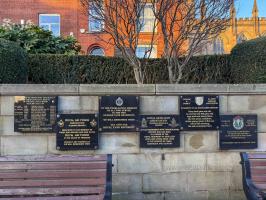
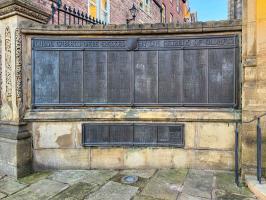
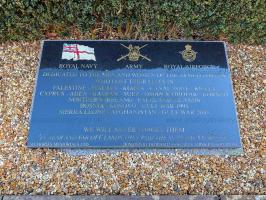
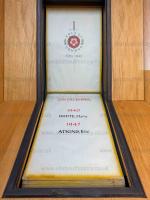
The pedestal on which the Old War Memorial sits contains the Roll of Honour which appears to be changed daily.