

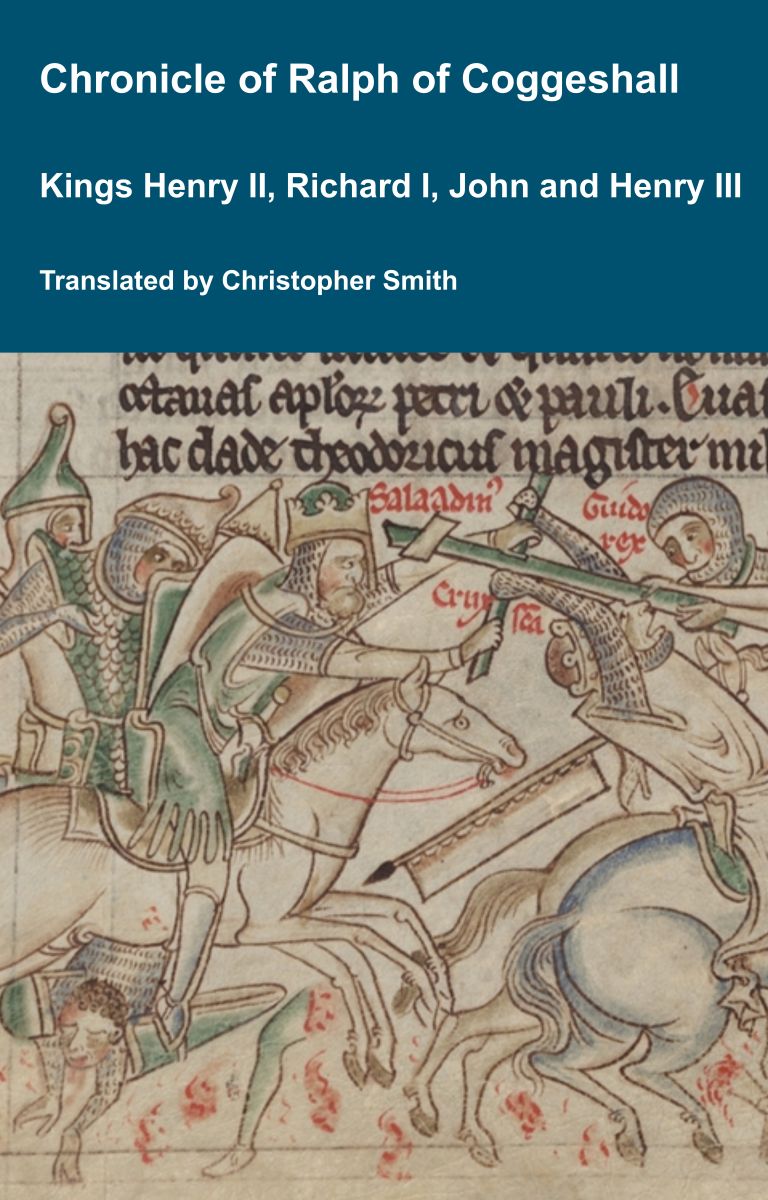
Chronicle of Abbot Ralph of Coggeshall
The Chronicle of Abbot Ralph of Coggeshall (Chronicon Anglicanum) is an indispensable medieval history that brings to life centuries of English and European affairs through the eyes of a learned Cistercian monk. Ralph of Coggeshall, abbot of the Abbey of Coggeshall in Essex in the early 13th century, continued and expanded his community’s chronicle, documenting events from the Norman Conquest of 1066 into the tumultuous reign of King Henry III. Blending eyewitness testimony, careful compilation, and the monastic commitment to record-keeping, this chronicle offers a rare narrative of political intrigue, royal power struggles, and social upheaval in England and beyond. Ralph’s work captures the reigns of pivotal figures such as Richard I and King John, providing invaluable insights into their characters, decisions, and the forces that shaped medieval rule. More than a simple annal, Chronicon Anglicanum conveys the texture of medieval life and governance, making it a rich source for scholars and readers fascinated by English history, monastic authorship, and the shaping of the medieval world.
Available at Amazon in eBook and Paperback format.
Knowth Passage Tomb is in Boyne Valley, Prehistoric Ireland.
Llewellynn Jewitt 1870. At Dowth [Map] and Nowth [Map] (Dubhath and Cnobh), very similar chambered tumuli exist, the former of which is also remarkable for its sculptural stones, which bear a strong resemblance to those at New Grange. The Cairn of Dowth here engraved (fig. 45), is of immense size, and contains a cruciform chamber similar to that at New Grange, with a passage twenty-seven feet in length, composed as was the chamber of enormous stones. On some of the stones were carvings and Oghams. The mouth of the passage leading to the cruciform chamber is shown on fig. 46.

