

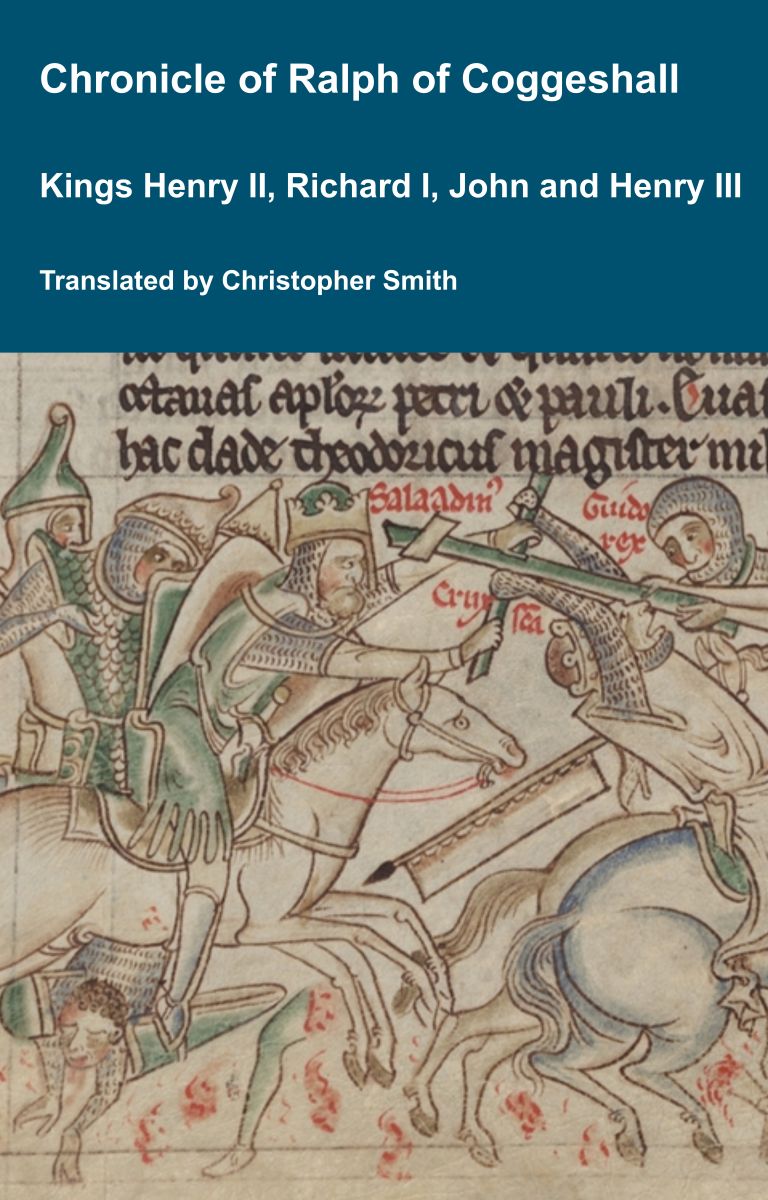
Chronicle of Abbot Ralph of Coggeshall
The Chronicle of Abbot Ralph of Coggeshall (Chronicon Anglicanum) is an indispensable medieval history that brings to life centuries of English and European affairs through the eyes of a learned Cistercian monk. Ralph of Coggeshall, abbot of the Abbey of Coggeshall in Essex in the early 13th century, continued and expanded his community’s chronicle, documenting events from the Norman Conquest of 1066 into the tumultuous reign of King Henry III. Blending eyewitness testimony, careful compilation, and the monastic commitment to record-keeping, this chronicle offers a rare narrative of political intrigue, royal power struggles, and social upheaval in England and beyond. Ralph’s work captures the reigns of pivotal figures such as Richard I and King John, providing invaluable insights into their characters, decisions, and the forces that shaped medieval rule. More than a simple annal, Chronicon Anglicanum conveys the texture of medieval life and governance, making it a rich source for scholars and readers fascinated by English history, monastic authorship, and the shaping of the medieval world.
Available at Amazon in eBook and Paperback format.
 South England Neolithic Cursus
 Dorset Cursus
 Dorset Cursus North-Western End Martin Down
 North Farm, Cashmoor
 Wyke Down Barrow 1
 Thickthorn Down Long Barrows
 Big Rings Henge
 East End of Greater Cursus
 Greater Cursus 1
 Greater Cursus 2
 Middle of Greater Cursus
 West End of Greater Cursus
Cursus is in Neolithic Monuments.
Cursus. A Cursus is a linear feature of banks and ditches ranging from 50m to nearly 10km. The word cursus was given by William Stukeley from the Latin word cursus.
3000BC. Stonehenge Lesser Cursus is a Cursus around 400m long an 60m wide around 750 north-west of the Stonehenge Greater Cursus oriented west-southwest and east-northeast. It is now only visible as a cropmark. The Stonehenge Environs Project discovered Red Deer Antlers picks that dated the monument to 3000BC.