


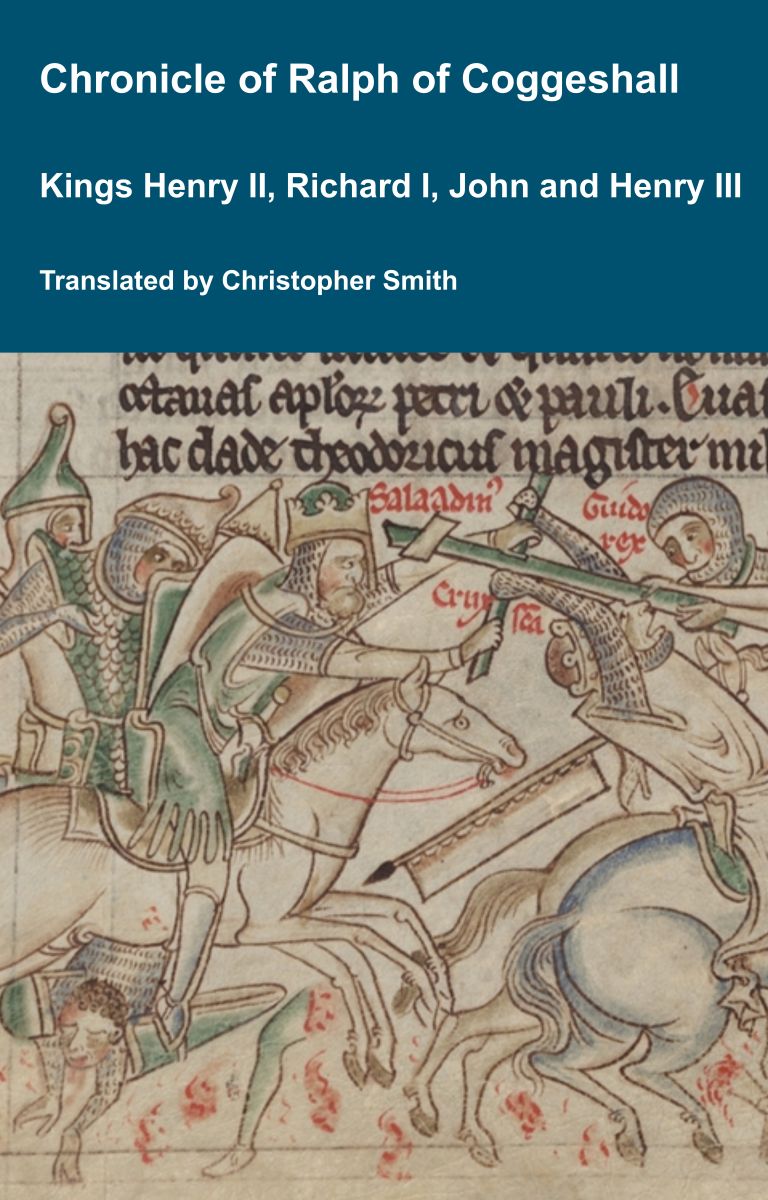
Chronicle of Abbot Ralph of Coggeshall
The Chronicle of Abbot Ralph of Coggeshall (Chronicon Anglicanum) is an indispensable medieval history that brings to life centuries of English and European affairs through the eyes of a learned Cistercian monk. Ralph of Coggeshall, abbot of the Abbey of Coggeshall in Essex in the early 13th century, continued and expanded his community’s chronicle, documenting events from the Norman Conquest of 1066 into the tumultuous reign of King Henry III. Blending eyewitness testimony, careful compilation, and the monastic commitment to record-keeping, this chronicle offers a rare narrative of political intrigue, royal power struggles, and social upheaval in England and beyond. Ralph’s work captures the reigns of pivotal figures such as Richard I and King John, providing invaluable insights into their characters, decisions, and the forces that shaped medieval rule. More than a simple annal, Chronicon Anglicanum conveys the texture of medieval life and governance, making it a rich source for scholars and readers fascinated by English history, monastic authorship, and the shaping of the medieval world.
Available at Amazon in eBook and Paperback format.
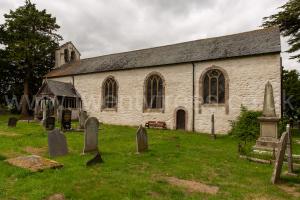
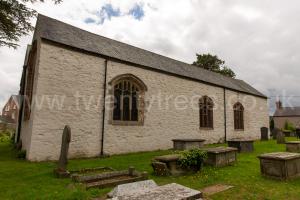
St Saeran's Church, Llanynys is in Llanynys.
St Saeran's Church, Llanynys [Map]. Exterior.
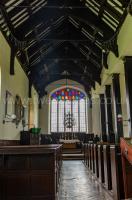
St Saeran's Church, Llanynys [Map]. Interior.
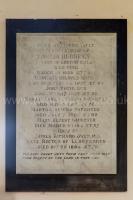
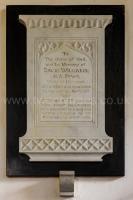
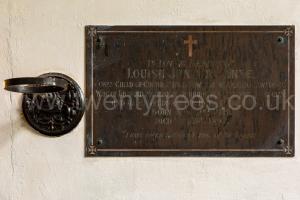
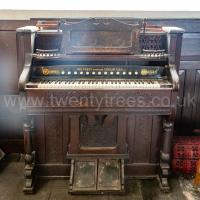
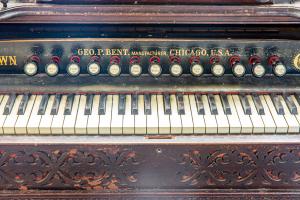
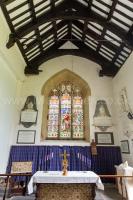
Around 550 St Saeran's Church, Llanynys [Map] was founded in the very centre of Clwyd. Llan means enclosure, 'Ynys' means island, or meadows, so Island Church, or Church in the Water Meadows, attesting to it regularly being surrounded by water. Locals remember it being only accessible by boat when the fields surrounding it were flooded. Little is known about St Saeran to whom the church is dedicated. A Saranus is mentioned in a letter of 640 from Pope John IV to the doctors and Abbots of Ireland but it is not certain if this refers to St Saeran. By 1402 there was a "clas", meaning a college of clergy, at St Saeran's [Map]
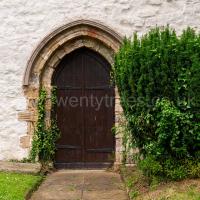
Before 1220. St Saeran's Church, Llanynys [Map]. West Door.
Around 1282 St Saeran's Church, Llanynys [Map] suffered significant damage by English troops during the Welsh Wars of Edward I. Compensation was paid.
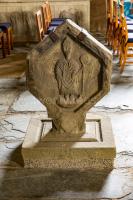
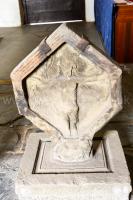
Around 1400. St Saeran's Church, Llanynys [Map]. Considered by some to be earlier. Top of the cross that marked the location of St Saeran's grave.
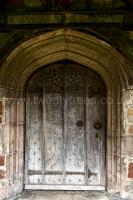
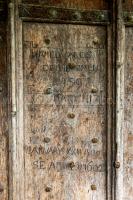
Around 1420. St Saeran's Church, Llanynys [Map]. West door with graffiti.
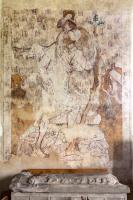
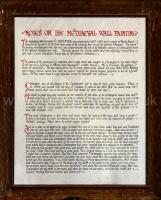
1430. St Saeran's Church, Llanynys [Map]. Wall painting of St Christopher. Considered to be the finest in Wales. Discovered under plaster in 1967.
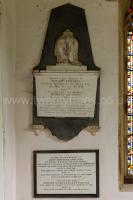
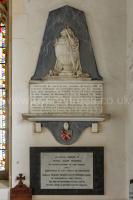
After 1709. St Saeran's Church, Llanynys [Map]. Graves and monuments to the Lloyd family.
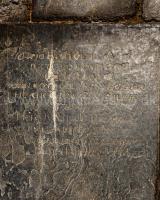
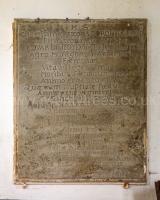
After 1800. St Saeran's Church, Llanynys [Map]. Monuments to the Edwards family.
Henrici Quinti, Angliæ Regis, Gesta, is a first-hand account of the Agincourt Campaign, and subsequent events to his death in 1422. The author of the first part was a Chaplain in King Henry's retinue who was present from King Henry's departure at Southampton in 1415, at the siege of Harfleur, the battle of Agincourt, and the celebrations on King Henry's return to London. The second part, by another writer, relates the events that took place including the negotiations at Troye, Henry's marriage and his death in 1422.
Available at Amazon in eBook and Paperback format.
On 8th October 1827 Peter Ellis Eyton was baptised at St Saeran's Church, Llanynys [Map].
On 19th June 1878 Peter Ellis Eyton (age 50) died at Rhyl Hospital. He was buried at St Saeran's Church, Llanynys [Map].
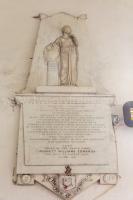
After 19th June 1878. St Saeran's Church, Llanynys [Map]. Monument to Peter Ellis Eyton (deceased) sculpted by Lunt of Rhyl.


After 19th December 1916. St Saeran's Church, Llanynys [Map]. Grave in the churchyard to Tom Jones Railway Guard who was killed in a Railway Accident at Wigan Railway Station:
"In this case the 10 p.m. passenger train from Euston after arrival at the down fast platform line was drawn forward past No. 4 signal-box to be backed into No 5 bay line, and just as it was being set back it was run into in the rear by the 11.15 p.m. express passenger train from Euston to Edinburgh. The guard of the 10 p.m. train was killed as was also a sorter in a postal van of the 11.15 pm. train. Five post office officials and two passengers were injured, also the fireman of the 10 p.m. train, the driver of the assisting engine, the driver and fireman of the train engine, and the assistant guard of the 11.15 p.m. train."